What Tianfu shows about culture in daily life
Jinxiu Tianfu is a cultural tourism train whose design theme has a clear published basis. The Sichuan Tourism Investment Group's 2026 launch report describes Shu brocade and Song-era elegance, along with cultural events and themed carriage settings. It connects where guests stay with how they encounter a region.
The useful idea is quite simple. Culture can be present while you board, sit with tea or share a meal. It need not wait for a guide's talk at a scenic site. On a long journey, this steady presence can have more depth than repeating the same few symbols at every stop.
The side view of Shaocheng shown here belongs to GOLDEN PANDA EXPRESS. It reveals how the decorative wall, corner and shared space meet. Tianfu's cultural approach helps frame questions about this design; the image and fittings are Dongfang's own and are not evidence of an experience aboard Tianfu.
From a regional home to a wider horizon
Tianfu has a clear regional association with Sichuan and its way of life. Dongfang opens the name towards a wider idea of the East: where the journey starts, what it encounters and how different cultures can be understood within one trip. The first change is in the scale of the story.
GOLDEN PANDA EXPRESS is the English brand name of 锦绣东方号. Its brand story places Bashu culture and Eastern hospitality at the starting point. This supports a reading of the Jinxiu aesthetic extending towards the western regions and the Silk Road. Specific rooms and places will need to give that idea substance.
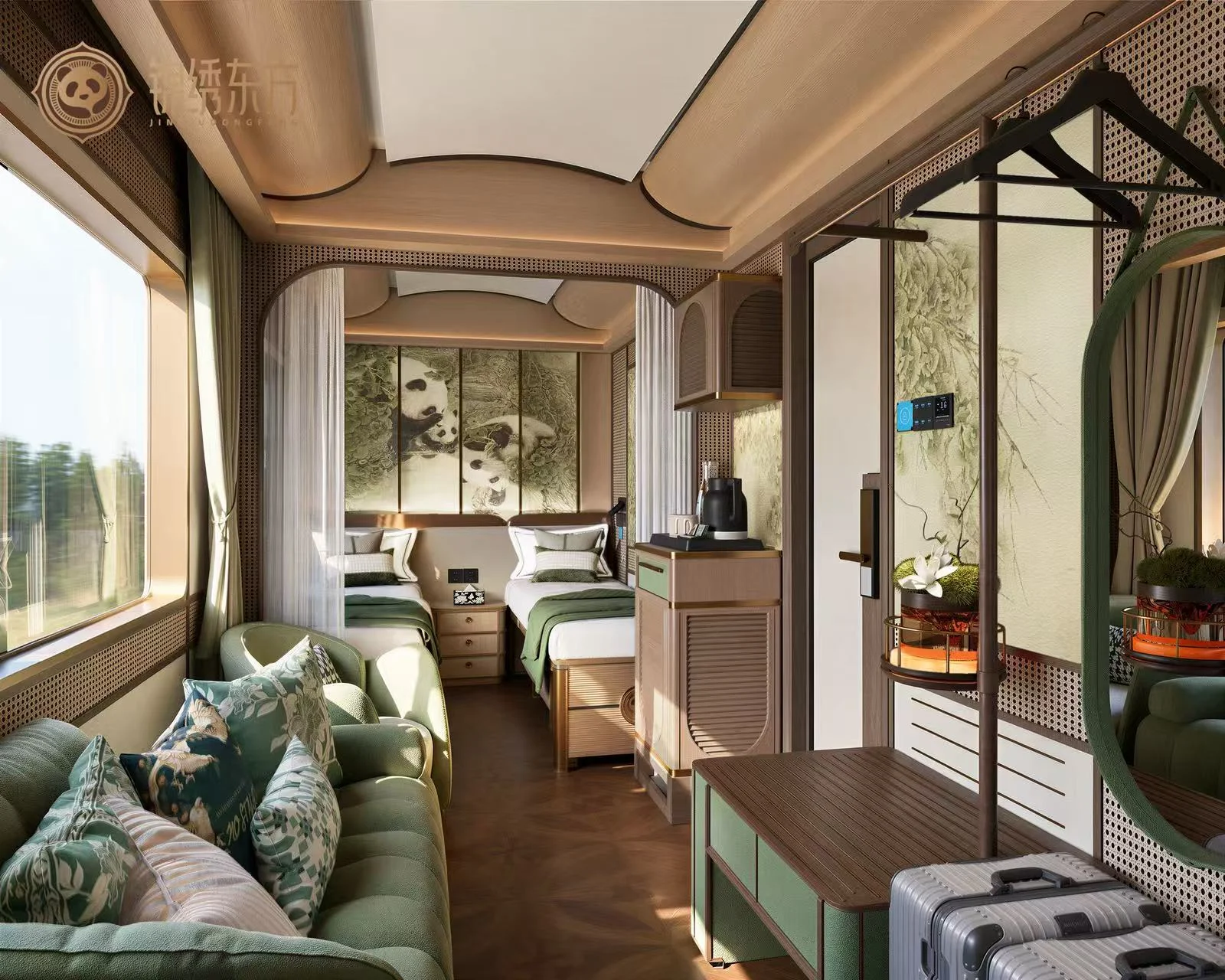
The panda suite's window-side living area offers an approachable way into the theme. A guest can sit down, stay a while and look outside without first needing a lesson in art history. A story about culture needs room for these ordinary moments. It should be possible to enjoy a room before understanding every reference in it.
A dining car can make the story memorable
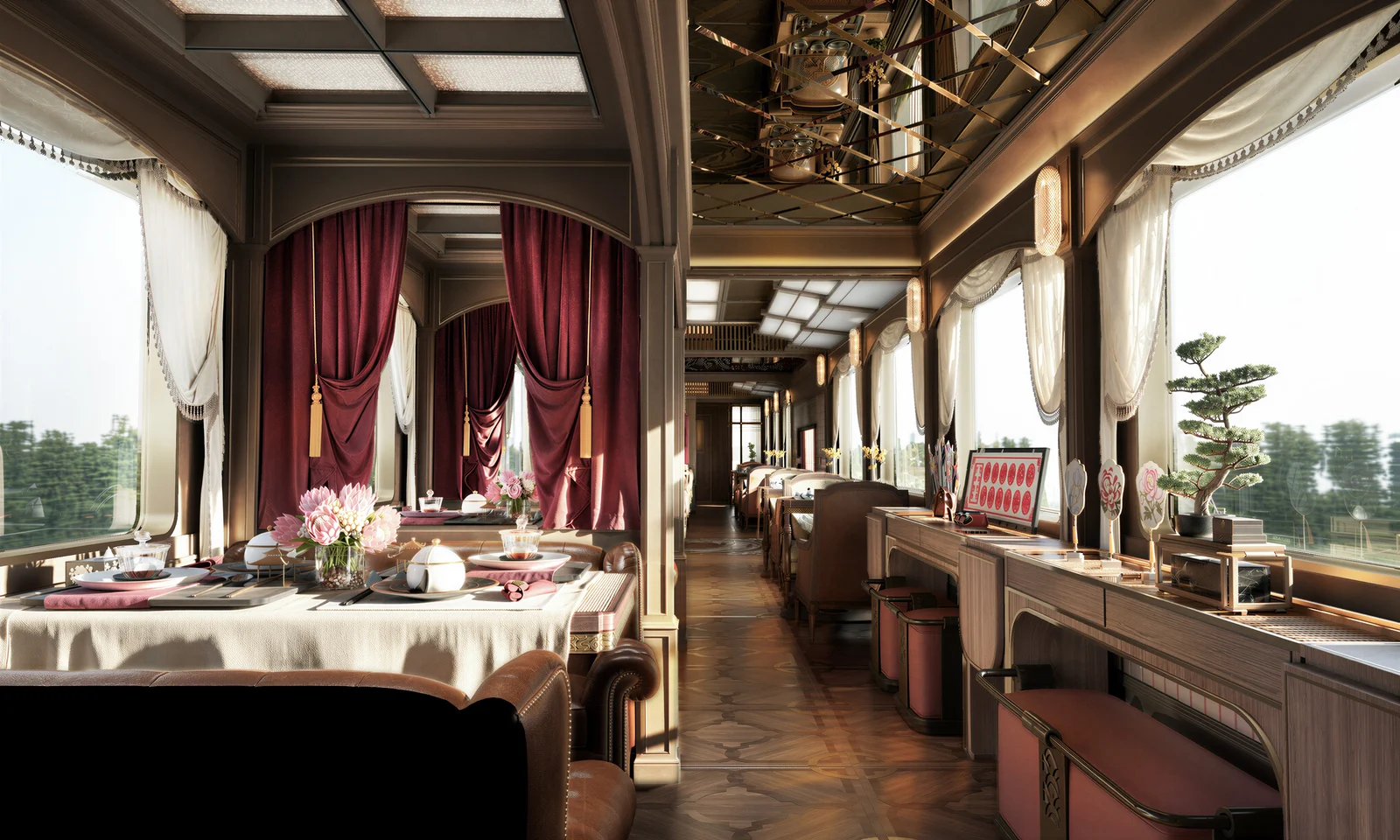
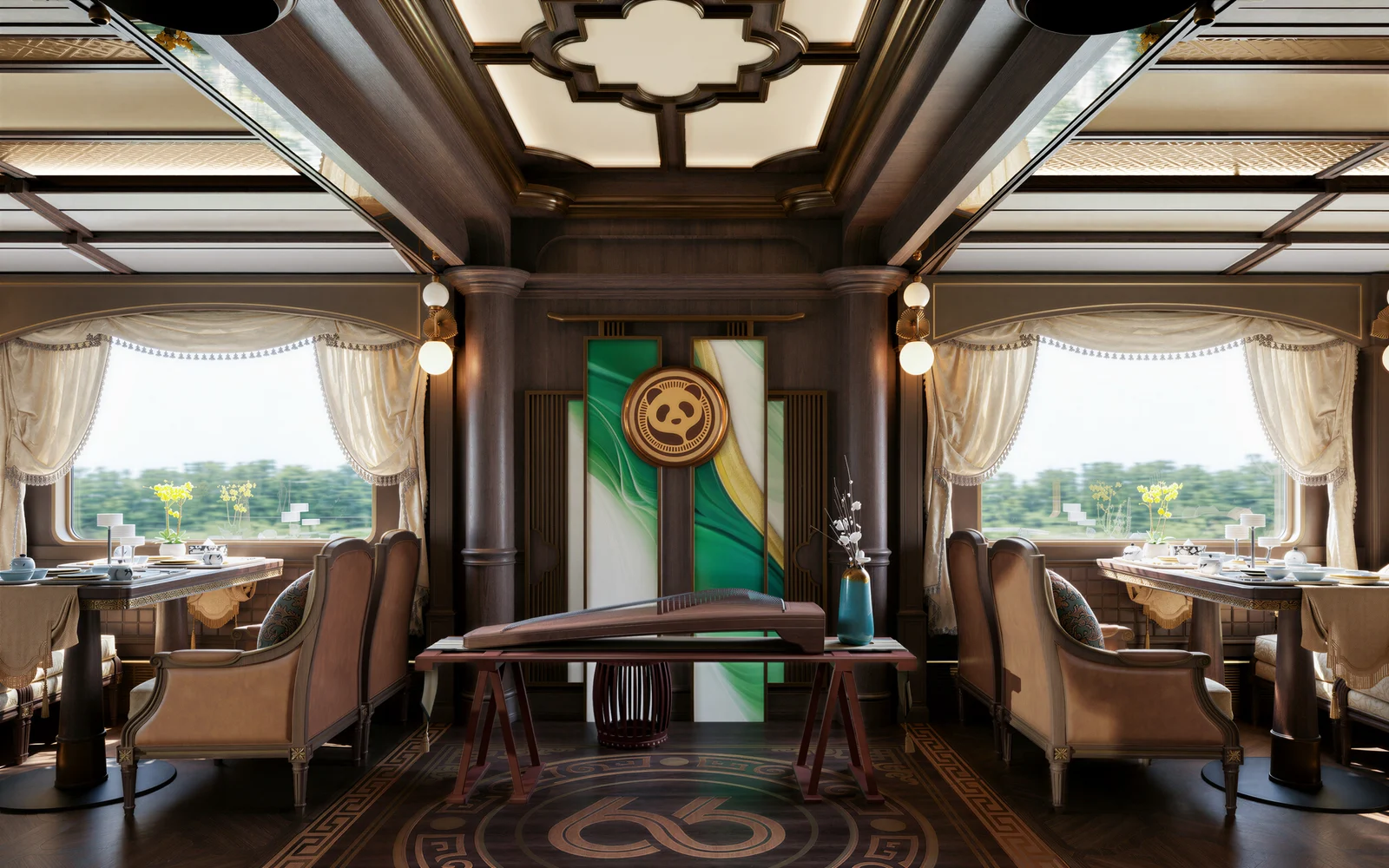
Guests may forget the meaning of a pattern, yet remember who sat beside them at dinner and what was outside the window. That gives dining a clear role in a train's identity. This end view of Jingong brings window seats, wood-toned frames and furnishings into a balanced setting.
Jingong and Jinyan are the train's two featured dining cars. Their published descriptions introduce different themed spaces. For guests, the practical question is how they support different meals and moods, from a more formal gathering to an easy exchange about the day. Food, service and timing must carry the design through.
For example, friends travelling together for the first time may get to know each other over an unhurried meal. That conversation can stay with them longer than a complex welcome ceremony. This is one way the train could gain its own character. A table rendering alone cannot prove the result.
Choose the terms of comparison first
A simple league table risks mixing different years, routes and rooms. Separate the published cultural idea from what is visible in the design and from service that must be experienced after launch. Each kind of judgement needs its own evidence.
| Dimension | Tianfu reference | Dongfang observation |
|---|---|---|
| Cultural starting point | Shu brocade, Song-era elegance and Bashu regional culture | A wider Eastern cultural story and a journey west |
| Evidence available | Published launch and design reports | Project interior renderings and planning material |
| How to assess space | Use Tianfu's own room and service information | Read the designs for living, dining and viewing |
| A fair product comparison | Use matched dates and explicit criteria | Assess the delivered journey before declaring a winner |
For the relationship between the trains, consult Jinxiu Tianfu's information alongside the GOLDEN PANDA EXPRESS FAQ. Sharing the words "Jinxiu" does not establish the same rolling stock, fittings or interchangeable fares.
A carriage needs to work after dark, too
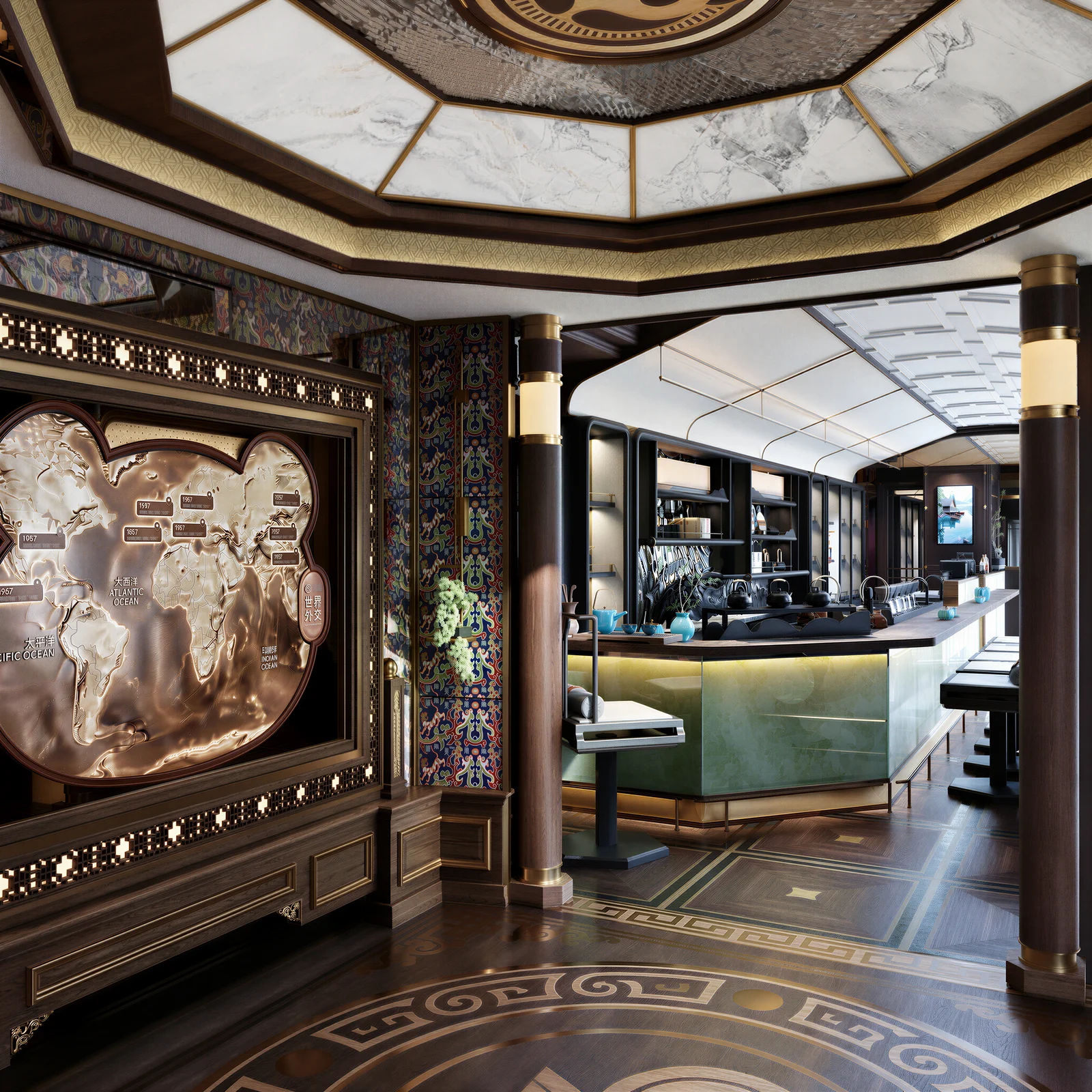
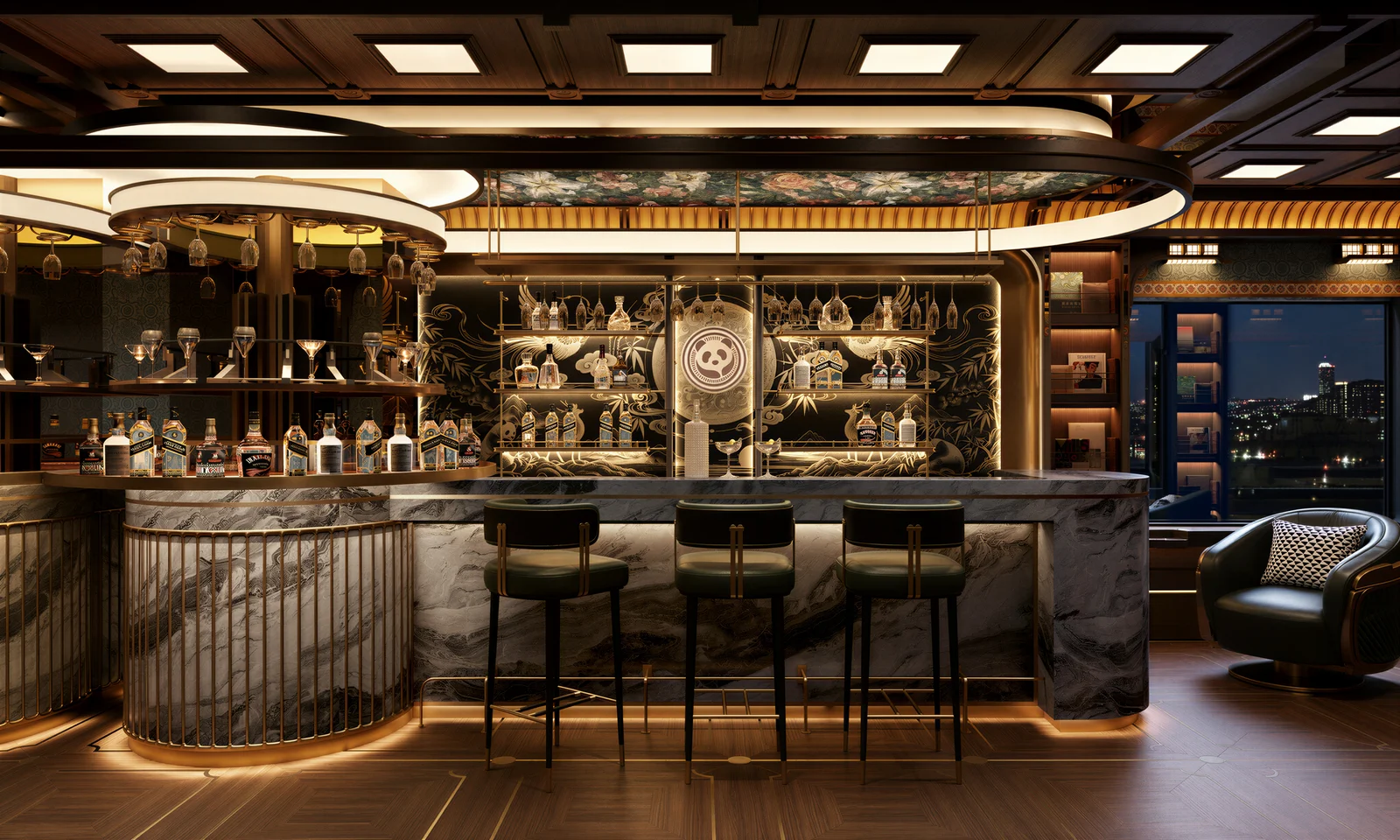
In daylight, an observation lounge directs attention outside. At night, the room itself comes into focus. The Yunque bar rendering places light around tables, displays and selected edges. The mood shifts from distant views to closer conversation. That change is part of the appeal of spending time on a train.
Look for layers of light, clear routes past the seats and a place for someone who wants a quieter evening. These details help explain whether guests might want to stay for another half-hour. Actual brightness, sound and comfort need to be assessed on the delivered train.
Couples or friends do not always want another organised activity after dinner. Sitting and talking about the day can be enough. A useful public space leaves room for both a sociable evening and a more private one, so guests can find a pace that suits them.
The whole journey has to earn the expectation
The proposed 2027 Xinjiang itinerary starts in Chengdu and links different parts of Xinjiang. Changing landscapes and cultures give it appeal. The quality of the trip also depends on what happens between them: life on board, excursions, transfers and nights on board or in hotels need to form a clear sequence.
For example, a day with plenty of walking may call for a gentler evening so guests have energy the next morning. Clear instructions about luggage can make arrival in a new region less stressful. These details rarely lead a brochure, but they decide how much the room design helps in practice.
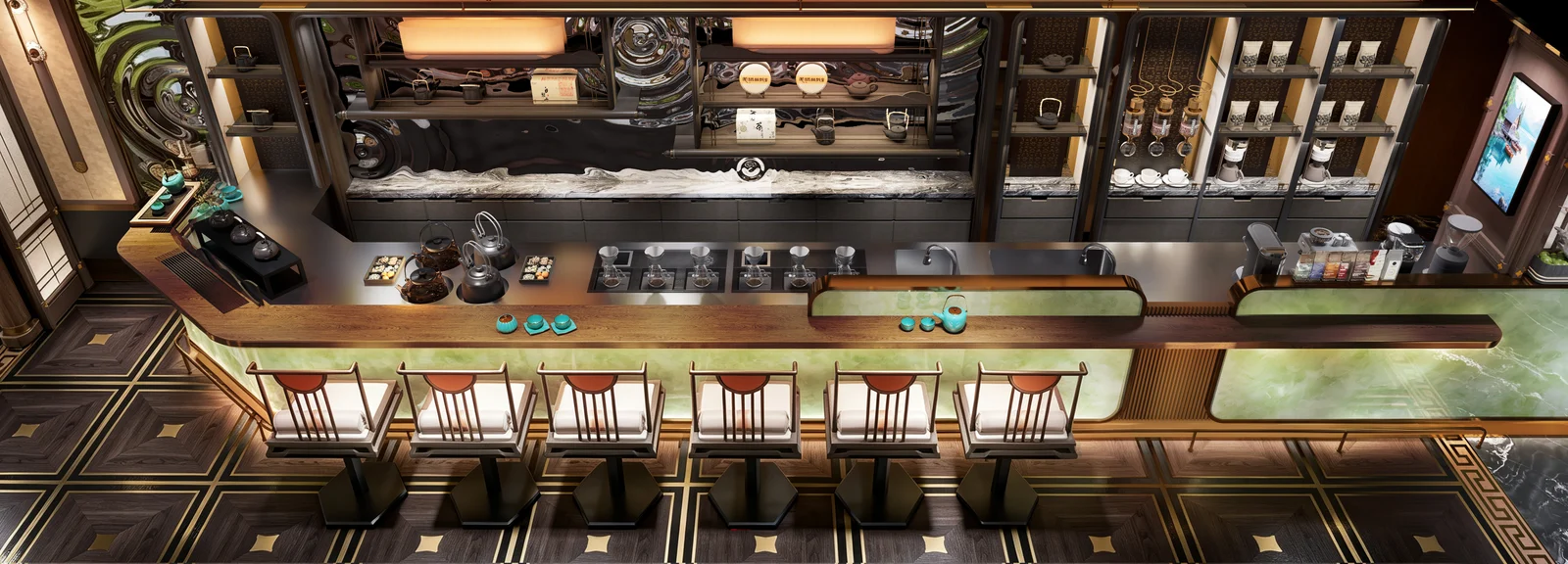
The overhead view of Shaocheng makes the groups of seats and routes between them easier to see. It prompts another useful question: how will the space work when several people use it at once? An open-looking room is a start. Welcoming, gathering and resting all need to fit within it.
Who is likely to value these changes?
Travellers used to conventional touring may want more time to themselves. A first-time visitor on a long China journey may value clear instructions and smooth transfers. Someone interested in design may want cultural details worth looking at slowly. "Better" can mean something different to each person.
- If rest comes first, check every night's accommodation, beds and activity pace.
- If culture matters most, ask how the places visited connect with life on board.
- If time together is the priority, discuss room locations, meals and shared activities.
- If you prefer full freedom each day, first check the group schedule.
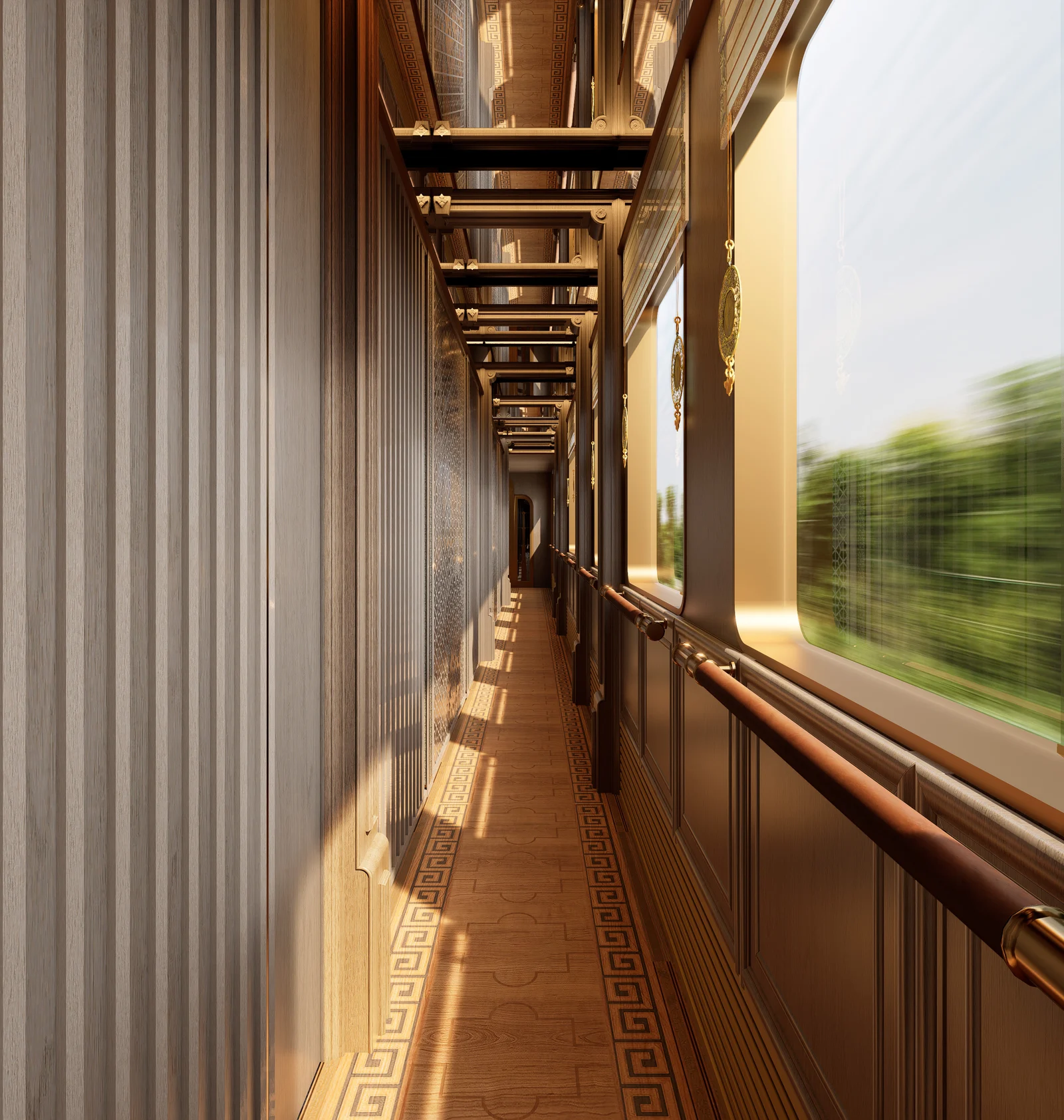
A corridor takes you from shared life back to a private room. The daylight in this design makes that change of setting easy to imagine. It is a useful way to describe what you want from the journey, while the actual terms still need to appear in the booking documents.
Worth watching, with specific questions in hand
GOLDEN PANDA EXPRESS has room to develop a clear identity through culture and interior design. Whether it becomes a standout of 2027 will depend on the finished spaces, everyday service and the whole journey. For now, the most useful step is to turn anticipation into things you can check.
Read the interior design guide and the luxury-train experience criteria. If you have a trip in mind, ask an official adviser about dates, room types, where you sleep each night and which services are included.
What might guests remember? Perhaps a conversation beside a window, a meal with time to spare, and the feeling of being properly rested after a day out. Those are the moments a cultural train journey needs to make possible.
Take the next step from interest to a clear brief
Compare the suite themes, then check the applicable departure, room allocation and written itinerary with an adviser.
Sources and editorial approach: Written with AI assistance using the project's interior images and the public sources linked in the text. Sources checked on 15 October 2026. The editorial comments describe what the designs show and suggest ways to plan a trip; they are not an onboard review. Design images show planned spaces. Check the official documents for train dates, final fittings and included services.